AI you can trust. Always.
As AI capabilities grow, the bar for responsible deployment rises. Our approach is designed to meet it — and to give enterprises the evidence they need to use Synthesia with confidence.
Our mission is to help people work better
Our products aim to empower and amplify people's capabilities, never to replace them. We build AI that individuals can trust and enterprises can rely on — transparent, auditable, and held to the highest standards of responsible use.








Responsible AI, by design
Responsible innovation and AI security have been core to our mission since day one. As technology has evolved, so has our approach. Our 3Rs framework — Review, Report, and React — is how we translate that commitment into action today.

Review

Not all AI capability is equal, and the risks are not uniform. That's why we distinguish between low and high-risk scenarios, and apply proportionate controls at every stage while continuously revisiting our approach.
How does that look in practice?
- For us, governance begins before a product launches and continues through deployment. Every decision is documented, and our controls are updated as both threat models and the underlying technology evolves.

Report

As AI models become more capable, knowing who created what — and under what context — matters more than ever. Report is about building traceability and clear accountability across the platform.
How does that look in practice?

React

Building responsible AI doesn't stop at launch. React is how we maintain safety, respond to new risks, and keep governance current as the platform scales.
How does that look in practice?
- From the beginning, we have built content moderation into the point of creation, not after distribution. When new risks arise, we act in our customers' best interests while taking into account societal risks. Audits, incident readiness, and continuous improvement are how we sustain trust through evidence, not just intent.
AI Futures Council
The AI Futures Council is a group of hand-picked experts in policy, media, product development or business strategy who are directly shaping the future of generative AI. The council provides a space for collaboration and conversation on some of the most complex and important issues relating to this transformative technology, including areas specific to Synthesia and society more broadly.
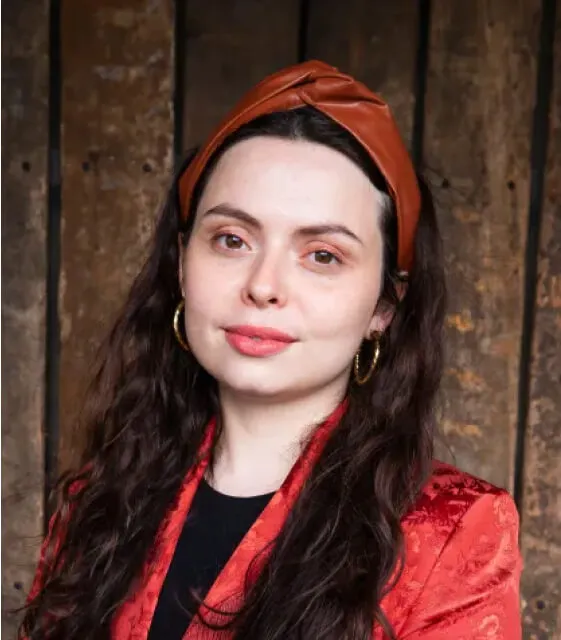
Sophia Smith Galer
Sophia Smith Galer is a journalist, creator and author who helped pioneer TikTok journalism in the United Kingdom. She has worked across counter-misinformation, investigations and AI innovation to help journalists amplify their work online.
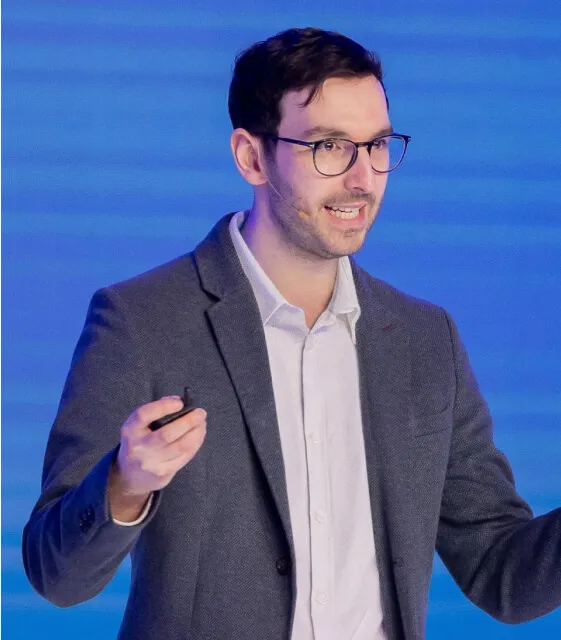
Henry Ajder
Henry Ajder is a world leading expert on deepfakes, generative AI and synthetic media. Recognised as the first “deepfake cartographer.” Henry’s research and broadcasting have transformed global understanding of how the synthetic revolution is impacting businesses and society.

Dani Dhiman
Dani Dhiman is a tech policy expert at Formation Advisory, a bespoke AI consultancy founded by Verity Harding, one of TIME 100's Most Influential People in AI. Dani advises companies at the cutting-edge of AI innovation on navigating the complexities of emerging technology.

Dr Phillipa Hardman
Dr Phillipa Hardmanis a specialist AI and education consultant working with world-leading companies. She has researched and experimented with methods to help connect what we know about how humans learn.

Ruben Hassid
Ruben Hassid is an expert on AI and content creation, helping millions of people use AI tools more effectively.

Cara Hunter
Cara Hunter is an Irish Social Democratic and Labour Party politician, currently serving as a Member of the Northern Ireland Assembly for East Londonderry. She has campaigned against non-consensual deepfakes and other misuses of AI.

Nina Schick
Nina Schick is a globally recognized expert on AI and geopolitics who has been at the forefront of how AI is reshaping global dominance—not just in business, but in military strategy, economic infrastructure, and state power.
The Talent Experience Program
The Talent Experience Program is a community formed of the exceptional actors behind our most popular stock avatars. They provide feedback about our platform, share insights from their industry, and collaborate with Synthesia on initiatives to create fair, transparent, and sustainable practices in our business. By involving these actors in decision-making processes, we aim to build a culture of mutual respect and continuous improvement. Learn more about the program here.

“It’s rewarding to know my input can influence the responsible development of AI technology and, through this program, shape Synthesia’s future products and avatar technology.”

“I’m so thrilled to be part of Synthesia’s program. It’s incredibly meaningful to have a voice in shaping how AI evolves, ensuring the technology continues to respect and reflect the contributions of performers like me.”
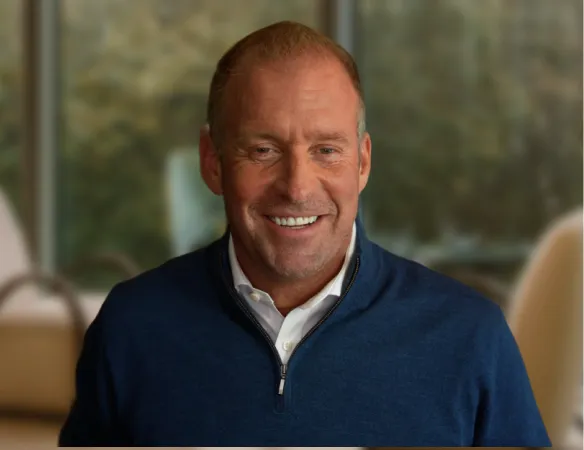
“I’m joining the talent experience program from Synthesia because I want to make sure AI is developed by ethical companies who want to use it for good. I also think this technology has a lot of potential in our industry.“
Interviews about responsible AI
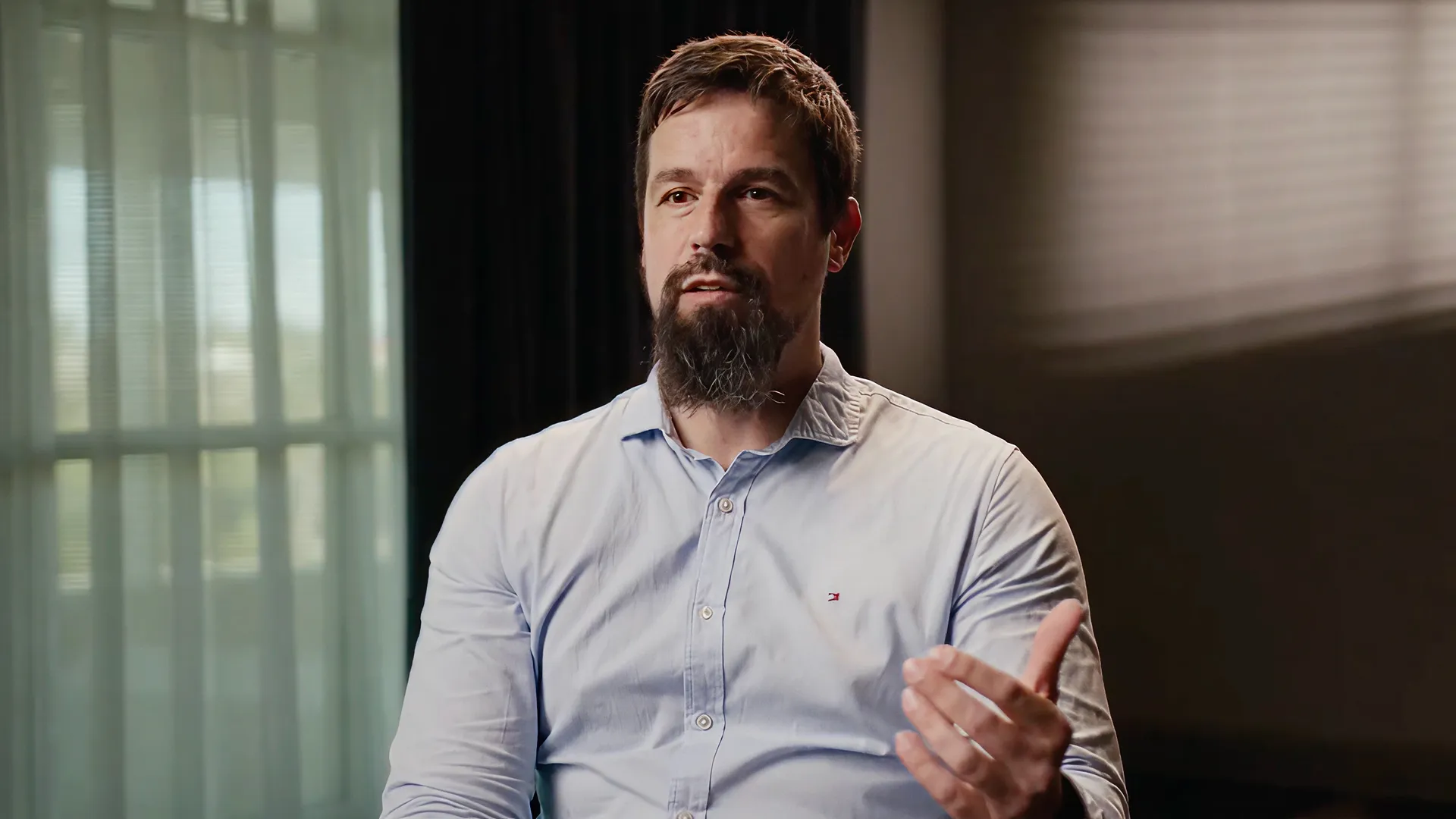


How Synthesia became the first video platform certified for ISO 42001

Responsible AI at Synthesia
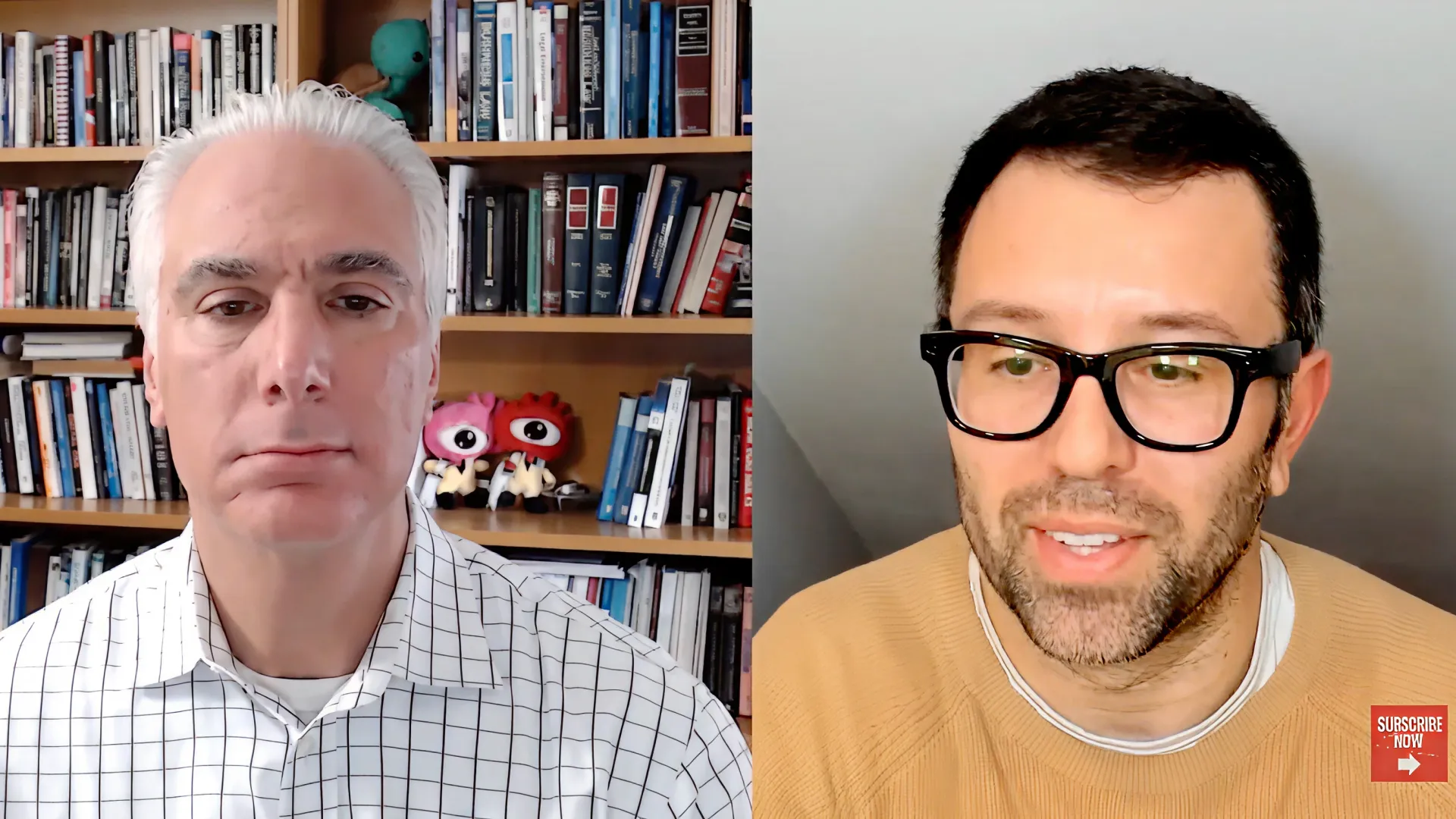
Synthesia's head of corporate affairs speaks to the Wharton School about responsible AI
All your questions about responsible AI answered
What do Review, Report, and React actually mean in practice?
Review is risk-tiered assessment of capabilities and use cases, applied before launch and revisited as threat models change. Report is traceability and shared accountability, such as provenance built into the platform, plus clear ownership across Synthesia, our customers, and our third-party model providers. React is operational resilience: detection, response, correction of over-enforcement, and continuous improvement informed by real-world incidents.
What do the 3Rs mean for existing enterprise customers?
Your contractual commitments, security posture, and moderation guarantees are unchanged. What you'll see over time is more structured evidence: audit artifacts, provenance signals, and clearer documentation of how third-party capabilities are governed on our platform. The 3Rs are designed to map directly onto the questions procurement, legal, and security teams already ask.
You now use third-party models. Who is accountable when something goes wrong?
Accountability is shared and explicit. Synthesia remains accountable for enterprise outcomes on our platform; that does not get outsourced to vendors. At the same time, some safety properties originate upstream with model providers, and we work closely with them on safety signals, moderation boundaries, and abuse patterns. We will be transparent with customers about which third-party services power which features so they can make informed decisions.
How does ISO 42001 fit in?
ISO 42001, alongside ISO 27001 and ISO 27701, gave us a lifecycle structure for AI risk management, security, and privacy, treated as continuous processes rather than point-in-time commitments. The 3Rs are the public-facing expression of how that management system operates day to day. We were the first generative AI company certified to ISO 42001, and we intend to stay ahead of where the standards are heading.
What are you doing about deepfakes and impersonation?
Moderation at the point of creation, consent requirements for avatars, and identity-based enforcement remain core. Provenance (knowing who created a piece of content and under what organizational context) is a growing part of how we strengthen accountability and support investigations. We continue to engage directly on these issues, including our work on non-consensual deepfake abuse in the UK and on Codes of Practice for the EU AI Act.
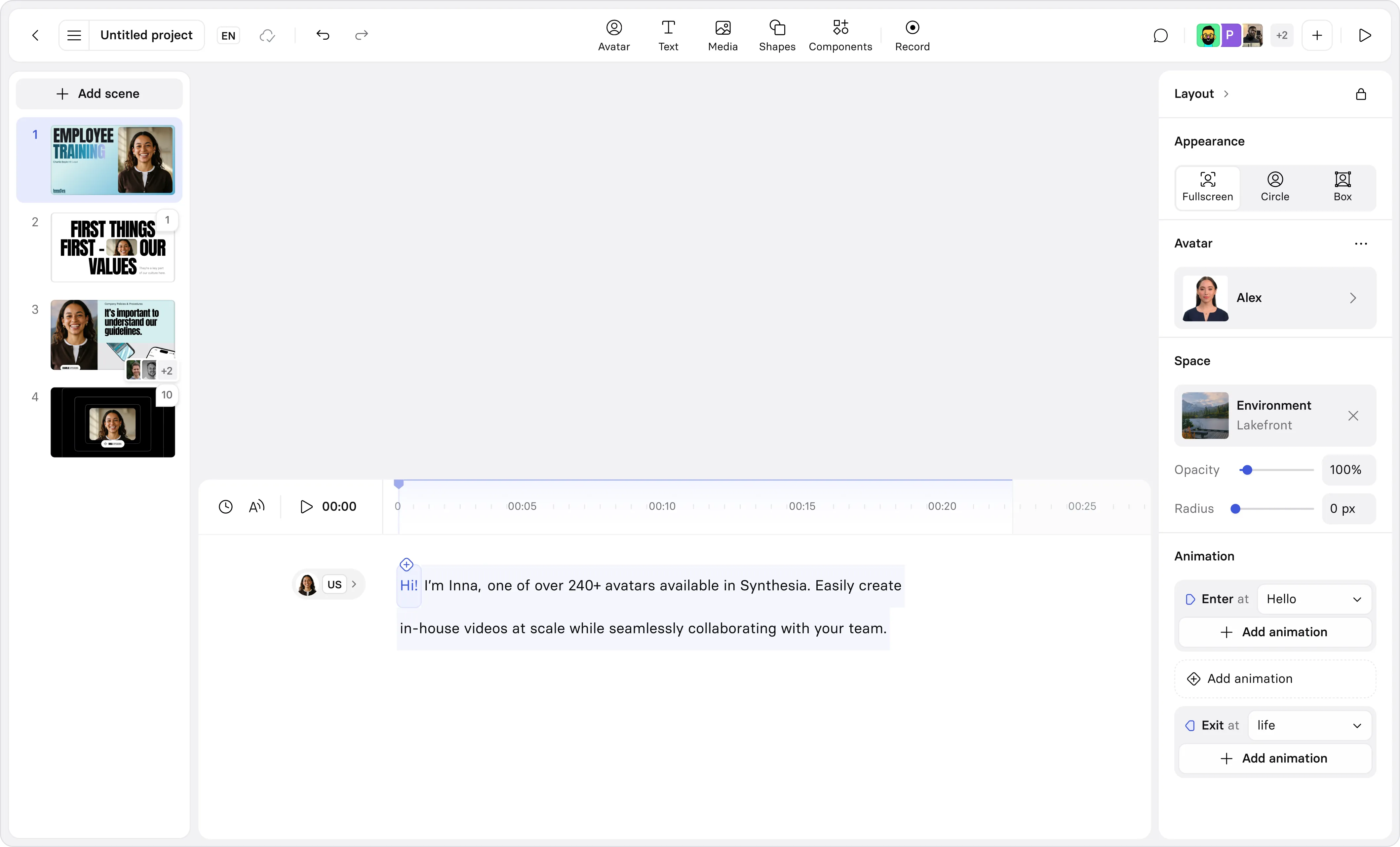

Try Synthesia with a free video.
Simply type in text and get a free video with an AI avatar in a few clicks. No signup or credit card required.