



14 Best Talking Head Video Examples (+ Editable Templates)

Create AI videos with 240+ avatars in 160+ languages.
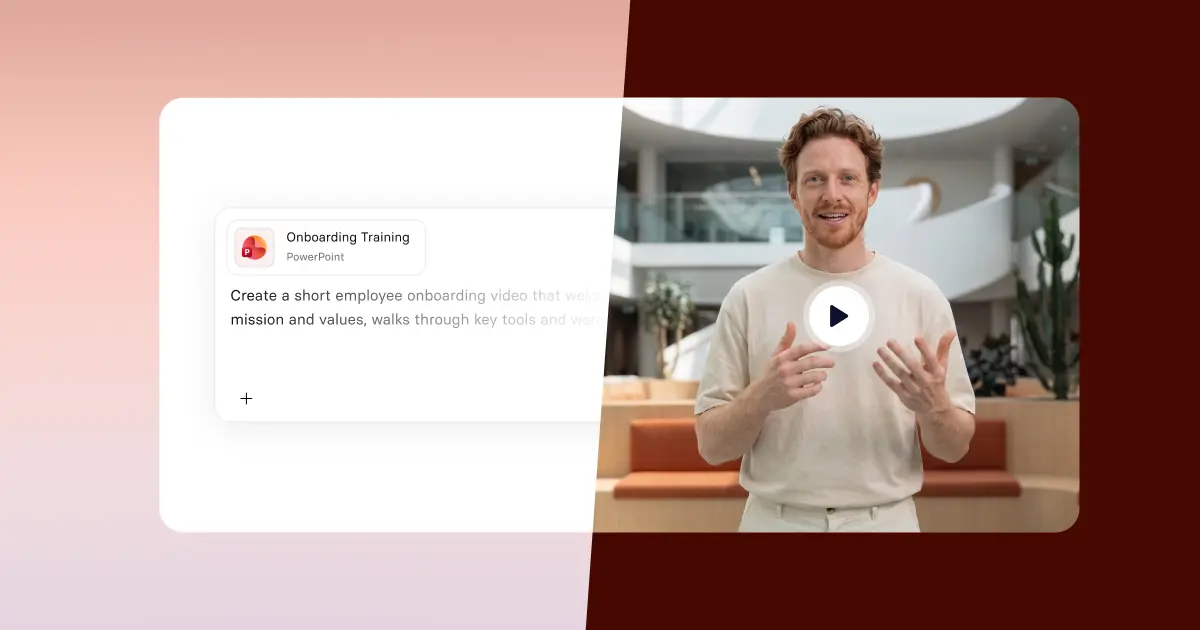
A talking head video is a popular video format that features a person talking directly to the camera.
The name 'talking head' comes from the fact that the camera is usually positioned so that only the speaker's head and shoulders are visible to the viewer.
Talking head videos are commonly used in a variety of video types including educational, informational, and training videos.
UGC-style talking head videos are also increasingly popular on social networks and in performance marketing.
Talking head video examples
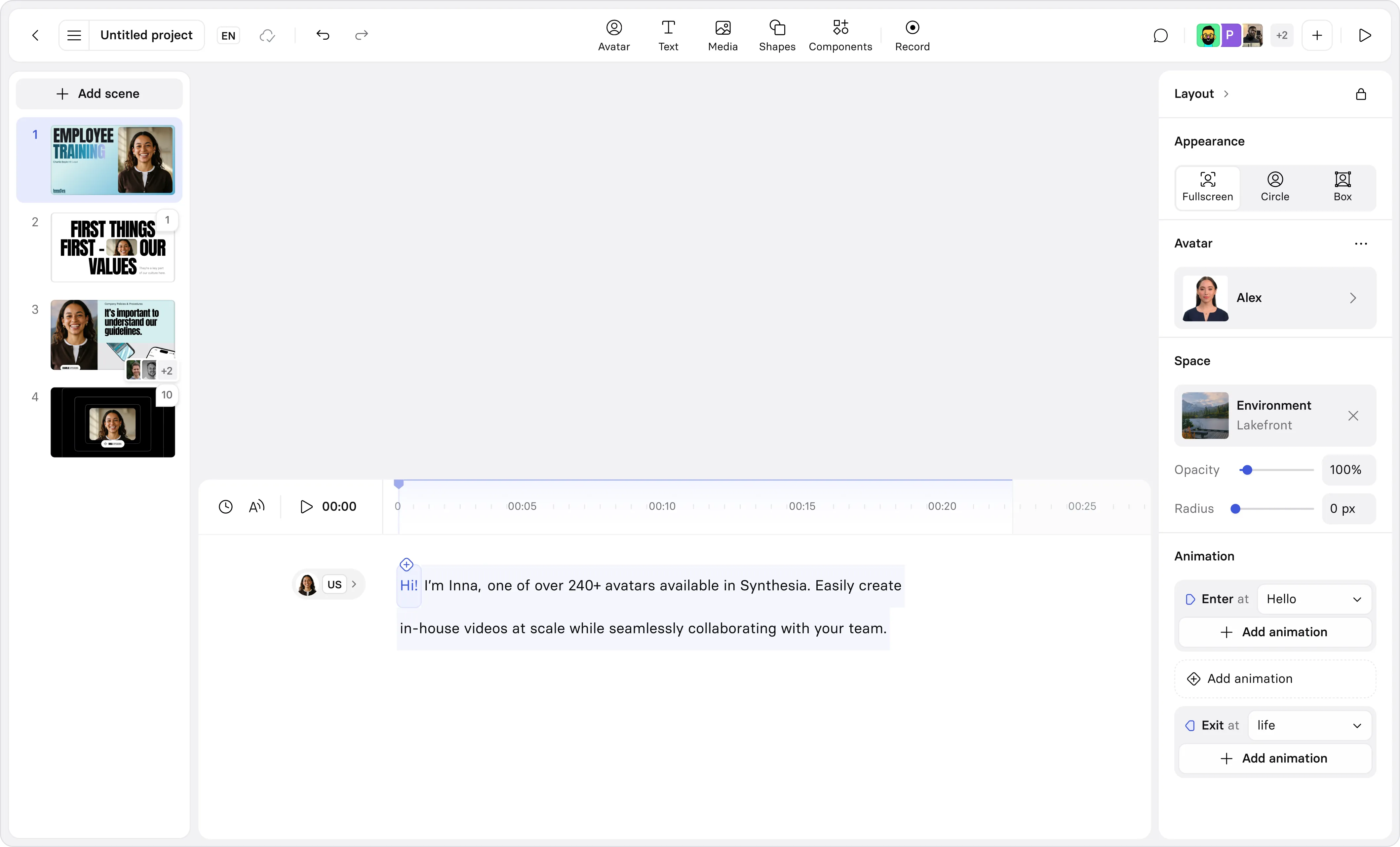
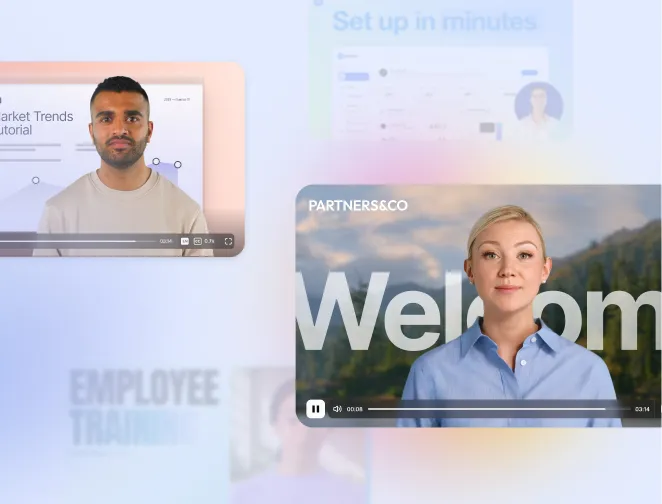
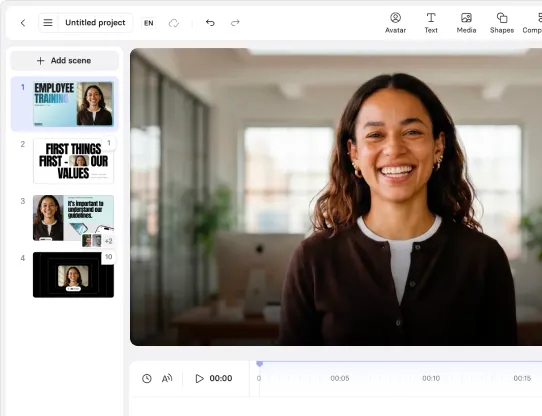
Synthesia is an AI video platform that offers a wide variety of talking head video templates powered by highly realistic AI avatars.
The examples below are some of my favorite templates.
If you see one you like, you can click Edit video template, sign up to Synthesia (for free), and then use the template to create your own talking head video.
1. Training video
Talking head videos can work well for training and education videos because they feel similar to the dynamic of the classroom where learners are accustomed to receiving instruction from a visible instructor.
2. Interactive quiz video
A talking head can work really well in interactive videos as the talking head can guide the participant through the experience and provide feedback in a way that feels more conversational and less like a test.
3. Product demo video
A talking head can act as a guide in a product demo video and walk the viewer through the different features and workflows that you want to highlight. I also think that adding this human layer is preferable to using screen recordings alone.
4. Sales outreach video
I think there's a really good case for using talking heads in sales outreach videos.
A talking head makes the message you're trying to communicate to your prospect feel much more personal than text or slides.
I think it's much more powerful if the talking head looks like you (assuming you are doing the pitching), which is easy to do with Synthesia's custom avatars that you can easily generate from a single photo.
5. Business presentation video
A talking head can add clarity and structure to a corporate update or business presentation and make the video feel more like a live meeting or an all-hands presentation.
6. Knowledge base video
Knowledge base videos can benefit from using the talking head video format because the talking head can help make otherwise static information feel more guided and easier to absorb.
7. Recruitment video
A talking head can be useful in recruitment and HR video content because seeing a person speak can help candidates and employees better understand who they are hearing from.
I think this is another example of a talking head type that benefits from using custom avatars that look like the person giving the message.
8. Social media video
Talking head videos are huge in social media contexts because they instantly build a personal connection in a way that feels native and natural to the platform.
UGC-style talking head videos make up a significant proportion of all video content on social media and work really well at capturing attention in fast-scrolling feeds.
9. Educational video
Like with training videos, a talking head works really well in educational videos because the presenter can support explanation of complex topics and provide a sense of continuity across lessons.
10. SOP video
SOP videos (or standard operating procedure videos) often feature a talking head that introduces each step and guides the viewer through the process, and this helps make the procedure easier to follow and remember.
11. Marketing video
Talking heads can help a marketing video humanize the brand and more clearly communicate value propositions while framing benefits, telling stories, and building trust in a way that feels persuasive.
12. Onboarding video
Onboarding videos are a natural application of the talking head video format as the talking head can create a welcoming first impression and set expectations for the new employee.
13. Microlearning video
In microlearning videos a talking head can deliver a short and focused explanation that is easier for the learner to digest. A human presenter can naturally introduce a bite-sized concept, provide quick context, and reinforce key takeaways.
14. Company culture video
A talking head can be used in company culture videos to help convey the company's values, mission, and ways of working with a more human touch.
Tips for filming talking head video content
The following tips will help you create talking head videos of all types.
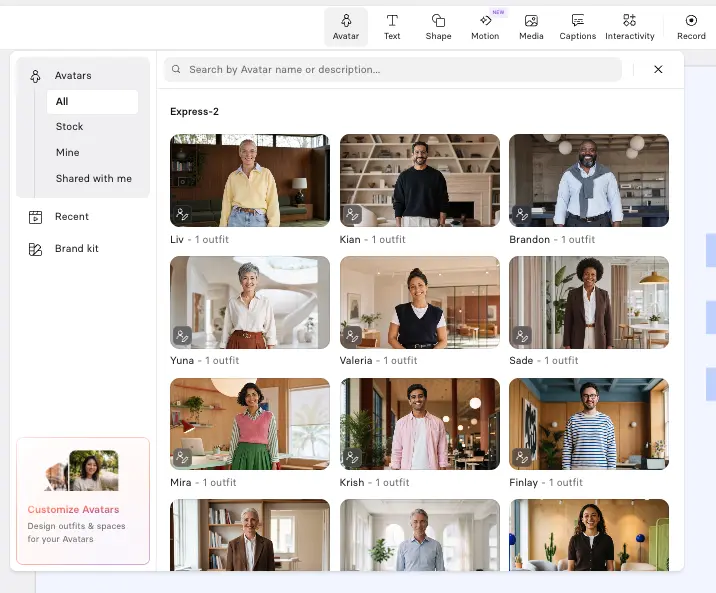
#1: Try using an AI avatar
One of the hardest parts about filming talking head videos is getting your production quality right. If you want to produce instructional videos at scale, consider using an AI spokesperson. There are hundreds of faces and voices to choose from.
#2: Make sure your audio is crystal clear
These days, even your iPhone camera can deliver great production value. But you'll still need to invest in an external microphone solution. A built-in microphone will pick up too much background noise, resulting in plenty of awkward pauses! If you're looking for a cheap solution, lapel mics usually do the trick. Otherwise, a high-quality boom mic is your best option.
#3: Lighting is the difference between amateur and expert
Professional studio lights can take any video clip from ugly to stunning. While you can also include natural lighting in your setup, make sure that you soften all shadows from your light sources using the principle of 3-point lighting.
#4: Use different angles to keep your audience's attention
All video types need to have a variety of video camera angles to be engaging and interesting to watch. When video editing, ensure you don't hold the same angle for an extended time. On the flip side, when your presenter is delivering key messages, it's best to keep the camera angle steady to avoid distraction.
What are the benefits of using talking head videos?
Talking head videos are popular because they can help to:
- Build a connection: They give your audience a face to identify with and build a more personal connection, which can help establish trust, credibility, and authority, which in turn can help improve your viewer's information retention.
- Improve comprehension: Significant amounts of information come from subtle cues in a person's facial expressions and body language. This additional information can help to reinforce the video's message to a viewer and can result in a more impactful video.
- Increase engagement: A talking head gives your audience another reason to pay attention to your video script/narration, which can help keep your audience engaged and interested in the video — your audience is more likely to pay attention when they can see a face.
Kyle Odefey is a London-based filmmaker and Video Producer at Synthesia. His content has reached millions across TikTok, LinkedIn, and YouTube, even inspiring an SNL sketch, and has been featured by CNBC, BBC, Forbes, and MIT Technology Review.

.webp)