



Synthesia is Among the First AI Video Companies to Sign the EU’s Article 50 Code of Practice

Create AI videos with 240+ avatars in 160+ languages
Summary
- New transparency rules under the EU AI Act (Article 50) and California’s SB 942 take effect on August 2, and we're among the first AI companies in the world to sign the accompanying European Code of Practice on Transparency of AI-Generated Content.
- The rules split responsibility between providers of AI systems like Synthesia and the organizations that deploy them such as our customers.
- We helped shape the Code during the workshops organized by the European AI Office, and we've built our platform to meet the new requirements: relevant videos generated in Synthesia carry C2PA provenance signals by default, and customers can add a visible AI label to every scene to help meet their own disclosure obligations.
- AI transparency compliance is built into our platform, the same way we approached ISO 42001. We’re organizing a community Q&A on August 21 and a webinar on September 9 to share more about these topics.
Today, we're announcing that we're among the first AI companies globally to sign the AI Act Article 50 Code of Practice, the European Union’s framework for labelling and marking AI-generated content.
The European Commission has assessed the Code as an adequate tool for meeting the new transparency obligations under Article 50 of the EU AI Act. Those obligations take effect on August 2, and signing the Code puts our commitment to clearly labelled, verifiable AI video on the record.
Similar obligations are appearing outside Europe: SB 942, California's AI Transparency Act, closely mirrors Article 50, so the transparency and provenance work we’re doing in Europe is also relevant in California, the largest jurisdiction in the United States.
What the new rules ask, and why they matter to you
The new rules require that AI-generated video seen by people in the EU and California is marked and labelled clearly. The responsibility is shared: providers of AI systems like us carry obligations, and so do the organizations that deploy them, which in this case means our customers.
Synthesia's provenance signals and labelling tools are designed to help our customers meet their deployer obligations, but as deployers, our customers retain their own disclosure responsibilities under Article 50 and SB 942.
Getting it wrong carries real cost: organizations that fall short face significant penalties in both the EU and California, with similar rules emerging in other jurisdictions around the world.
We helped shape the Code
To help providers and deployers meet the new obligations, the European AI Office worked with independent experts and other stakeholders, including us, to develop the Code of Practice and the Commission’s guidelines on the implementation of the transparency obligations.
We took part in the working groups that drafted the Code and shared feedback as the guidelines came together which resulted in more pragmatic rules that reflected the realities of enterprise-focused AI content creation and distribution.
How Synthesia helps businesses stay ahead
Eligible videos generated in Synthesia carry Coalition for Content Provenance and Authenticity (C2PA) provenance signals by default. You can view these Content Credentials from a menu in our video player today, and we're rolling out signed downloads so the credentials travel with the file itself later this year. C2PA is an industry-wide standard for digitally signing metadata securely. We helped shape it, and it's already used by OpenAI, Google, Adobe, and TikTok. We're also exploring robust imperceptible watermarking to add a further layer of durability.
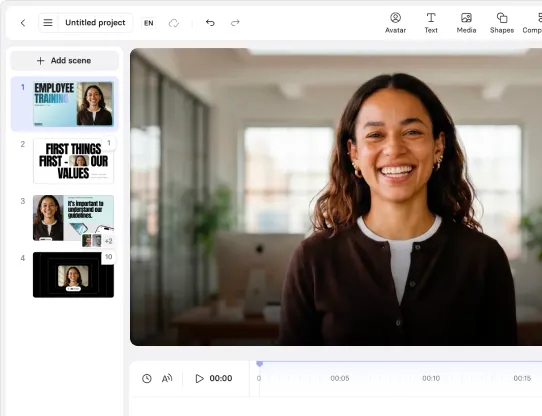
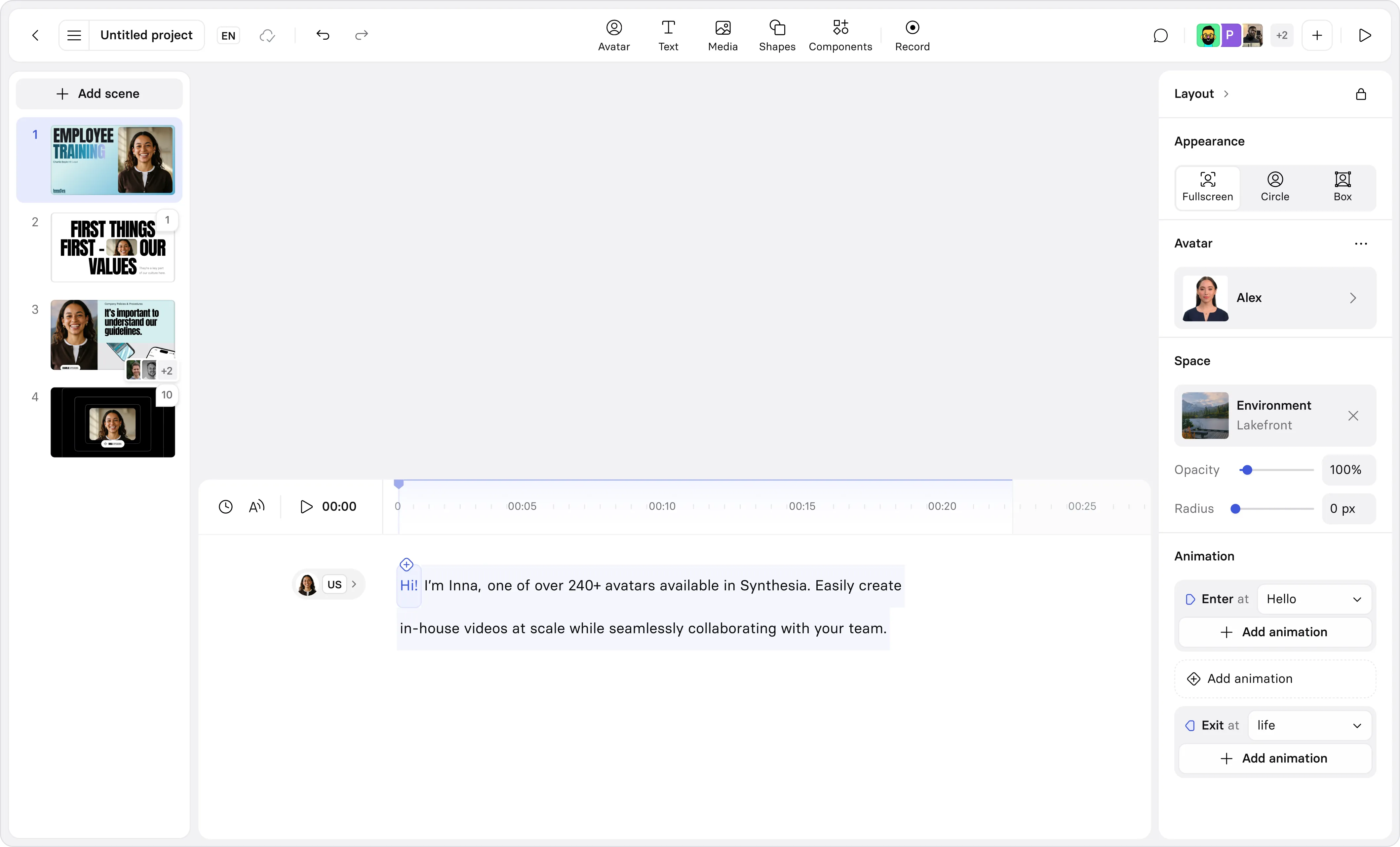
Customers can also add AI labels derived from the EU icon reference design to every scene to help meet their own disclosure obligations. These labels are fully customizable and are available in the Media section of our Synthesia editor, ready to be applied to any relevant videos. We're working on making further changes to this experience, based on feedback from our users.
If you’re a business looking to learn more, check out our Knowledge Base article on this topic.
Built in, not bolted on
This type of compliance effort isn't a scramble for us. We didn't add it at the last minute; we're building our platform around it, the same way we approached ISO 42001 and other global standards. And we did that work to make it easier for our customers to meet their own obligations. It's one more reason enterprises trust us as their video platform of choice.
To learn more about our transparency and provenance work, join our Feature Fridays session with our community members on August 21 at 2pm BST (9am EST/3pm CEST). Register here to receive an automated calendar invite!
We’re also hosting a dedicated webinar on September 9at 4pm BST (11 am EST/5 pm CEST) with Madalina Botan, vice-chair of one of the working groups that wrote the European Code of Practice for AI transparency.
AI is going to put more videos in front of more people than ever before. For that to be good for the viewers, they need to know what they're looking at. Building transparency into every video by default is part of how we help people work better with AI, and signing the Code of Practice is a concrete step toward it.
Alexandru Voica is Head of Corporate Affairs and Policy at Synthesia. He has experience across tech, social media, gaming, and retail, and an engineering background with a degree in Virtual Reality from Sant’Anna School.