Ryanair x Synthesia
Europe's largest airline runs on scale and speed. With Synthesia, it trains engineers and reaches disrupted passengers in minutes — in every language, without growing its team.
Up to 90% faster
videos to passengers - from 1+ hours to minutes
Six-figure savings
reinvested back into engineer training
Every European language
localized on demand, reaching every passenger
.png)


Ryanair is Europe's largest airline group. In 2025 it carried over 208 million passengers across its five airlines: Ryanair DAC, Malta Air, Buzz, Lauda Europe, and Ryanair UK.
Ryanair is Europe's largest airline group. In 2025 it carried over 208 million passengers across its five airlines: Ryanair DAC, Malta Air, Buzz, Lauda Europe, and Ryanair UK.
Together they fly around 650 aircraft to more than 225 airports in 36 countries. By 2034, it aims to carry 300 million passengers per year.
The challenge
"There's a dog on the runway. We can't take off until it's gone."
On the rare occasion, when a Ryanair flight is disrupted, by weather, an air-traffic-control strike, or the occasional stray animal, the airline sends affected passengers a short video explaining what's happening and what to do next.
Getting those updates out fast is one part of it. Training the thousands of engineers and crew who keep every plane safe and operational is another. Both have to keep pace with an airline pushing toward 300 million passengers a year.
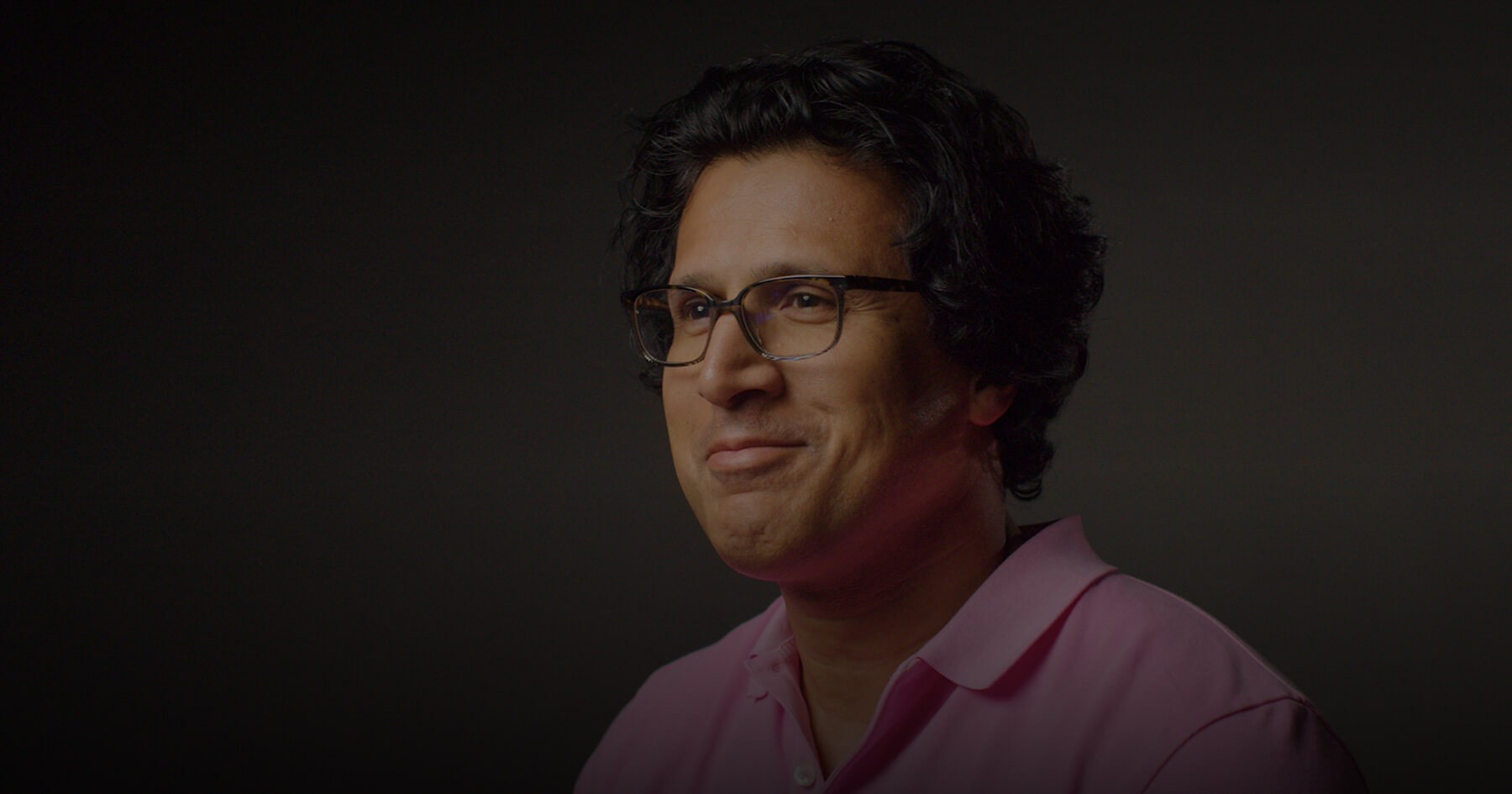
"We cannot scale our people at the same pace that we scale passengers," says Everton Oliveira, the group's GenAI Lead.
Take training first. Ryanair trains around 1,300 of its 3,000 engineers across 13 European bases every year. The old model meant flying instructors across Europe for one to six weeks at a time, or shuttling students between bases — travel and hotels stacking up with every course. The online alternative was no better: PowerPoint decks engineers clicked through on autopilot. A tired instructor on a Friday didn't teach the same lesson as a fresh one on Monday.
Then there are the disruption videos. Producing just one video used to take at least an hour, often far longer: an aging camera, a colleague volunteering on screen, then editing and exporting in Adobe on a single laptop. Language made it harder still. As Europe’s largest airline, a large proportion of Ryanair passengers aren’t native English speakers, so localizing a video meant hunting the office for someone who spoke Italian, French, or Spanish to film it. More often than not, it didn't happen — and the delayed update went out in English only, reaching a fraction of the people who needed it.
The shift
The airline's COO challenged the GenAI team to rethink training. Their answer was lifelike Avatars — and after countless tools on the market fell short, they found Synthesia.
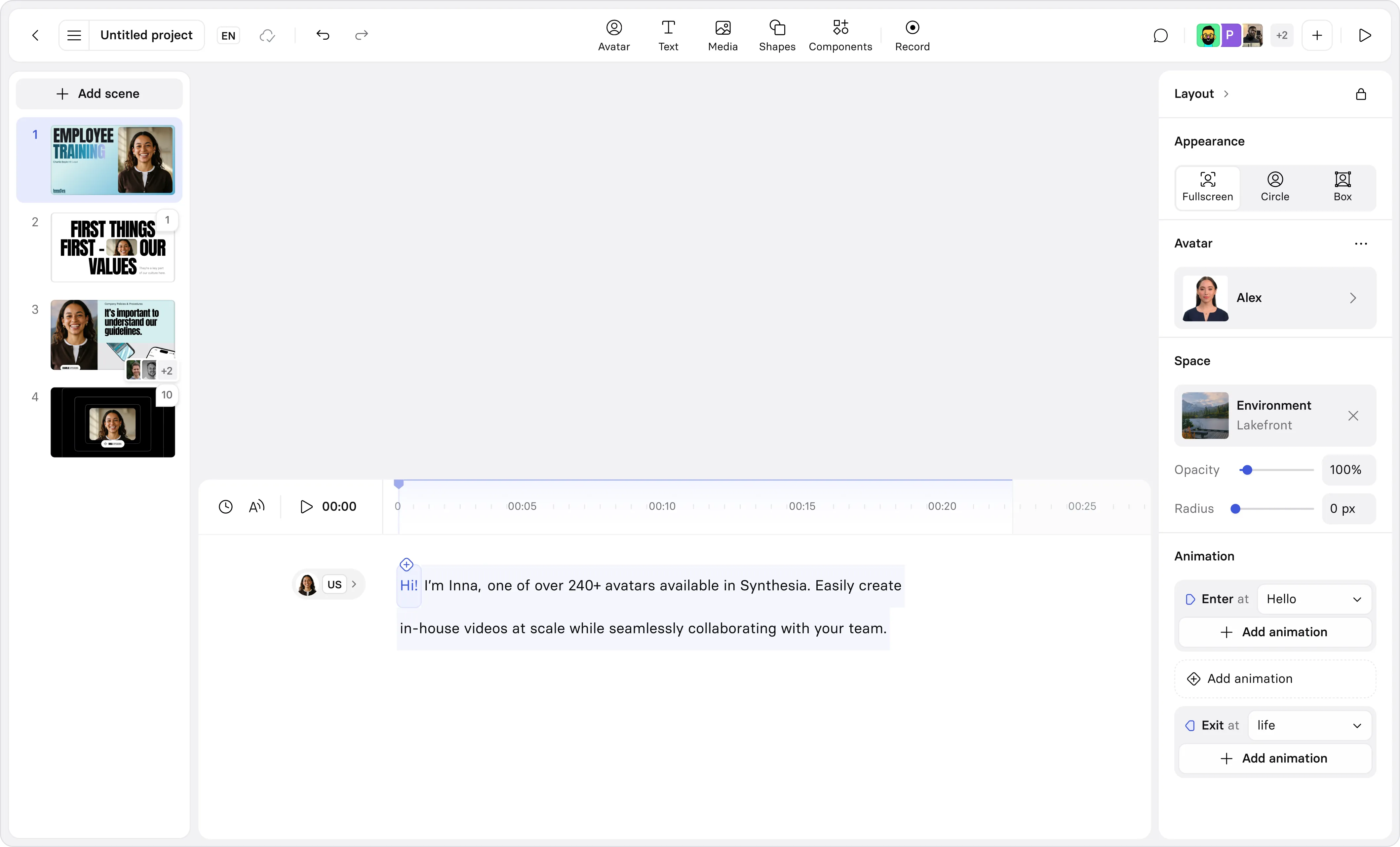
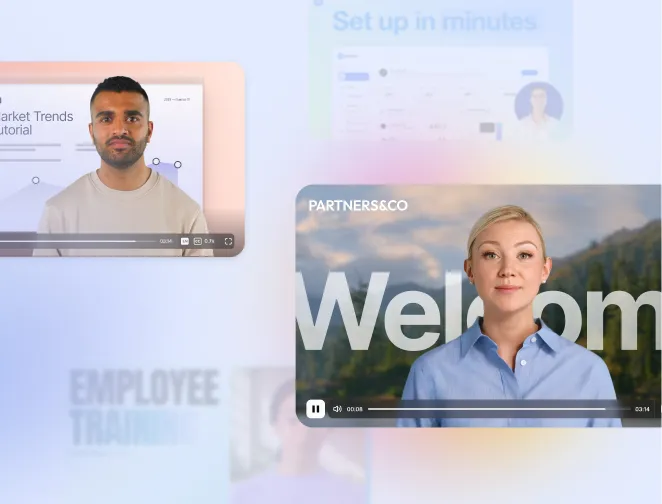
The fix kept the human expertise but removed the bottleneck. Ryanair records a real instructor once and then delivers multiple lessons through a lifelike Avatar. Every trainee gets the same class, from the same expert, on their own device, at their own pace.
"With Synthesia, we deliver the best training from the best instructor, every single time, for every student." — Everton Oliveira, GenAI Lead, Ryanair
And it didn't feel like generic e-learning. "The avatars use the faces of our own instructors, so we recognize them. It makes a stronger connection to the material," says Chiara, a member of Ryanair's cabin crew — who only realized one was AI when she spotted a colleague's digital twin.
The customer service team applied the same idea to a different problem. They built reusable templates for the situations they handle most, like weather and strikes. When something goes wrong, they update the script and the tricky airport-name pronunciations, generate the video, and push it to affected passengers through the Ryanair app in minutes.
The bigger unlock is language. The same update now goes out in every European language with a click. Many of Ryanair's airports are regional, and for the first time, the airline can tell every passenger what's happening, in their own language, the moment it happens.
What began with engineers and disruption alerts spread fast. The same approach now trains 15,000 cabin crew, standardizes turnaround procedures for 22,000 ground agents in 20 languages, and carries everything from internal communications and product rollouts to C-suite updates.
The impact
"We used to spend over an hour making just one video, and often still couldn't get it localised fast enough. With Synthesia, we deliver translated, targeted messages in minutes." — Ellen Drumm, Customer Service Communications Manager, Ryanair
The results showed up fast. Moving engineer training out of the classroom, along with the travel, hotels, and facilities that came with it, meant six-figure savings — money Ryanair put straight back into more training. Disruption videos that once took over an hour now go out up to 90% faster, localized into every European language.
Passengers feel it too. Ryanair now records higher customer-satisfaction scores during delays — something few airlines even measure. And it holds a first-mover lead in passenger communications that rival airlines are now starting to copy.
Why it matters
Ryanair runs one of the largest, fastest-moving operations in aviation. Its constraint was never ambition. It was that the essential work of training people and informing passengers depended on cameras, classrooms, and headcount that couldn't grow as fast as the airline.
With Synthesia, that dependency is gone. Ryanair now trains more engineers and reaches more passengers, in more languages, than its team could ever manage by hand — and it does so at the pace the business moves. Output went up. Quality went up with it.
The lesson for any company growing fast: your pace is set by ambition, not capacity.
.jpg)